|
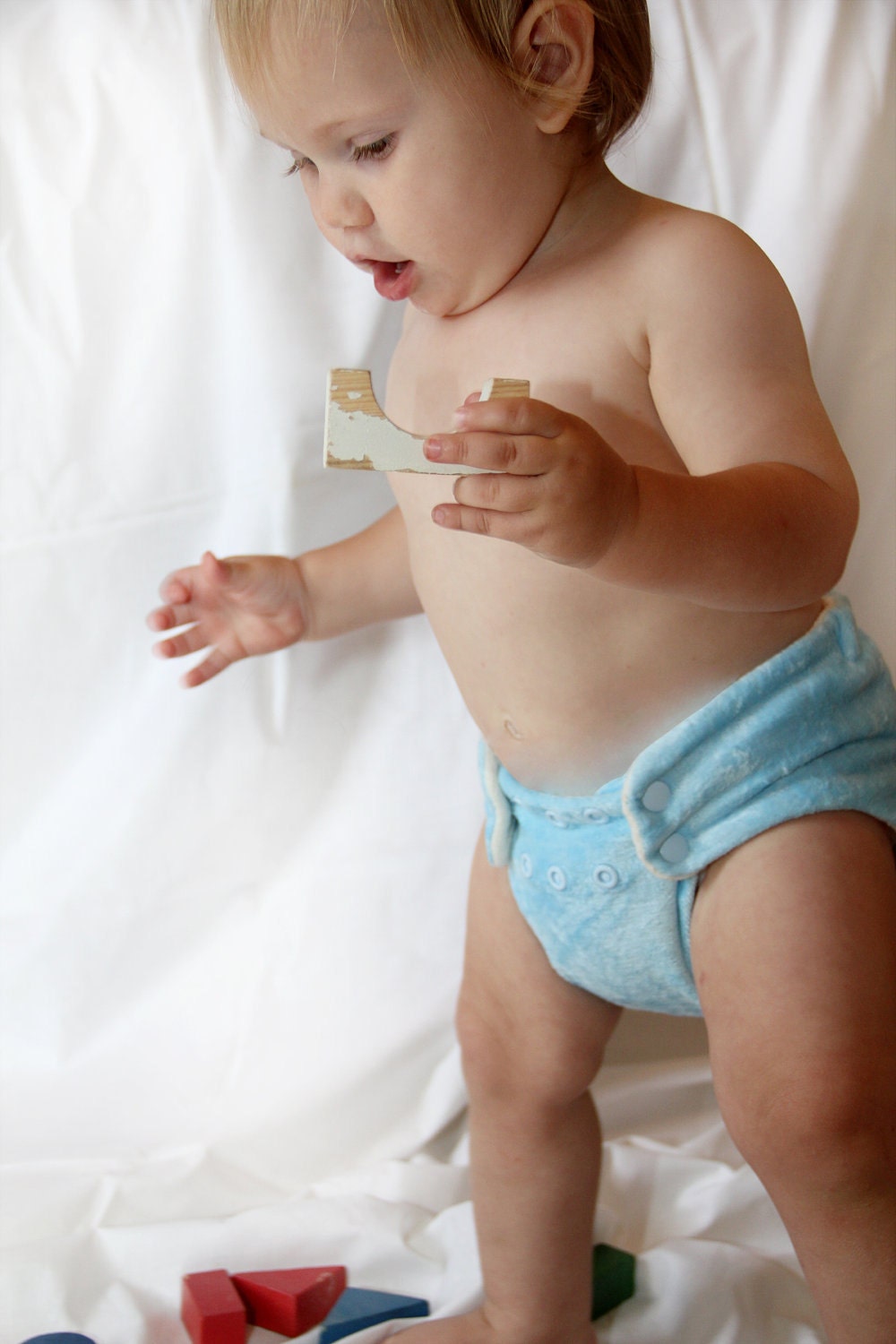
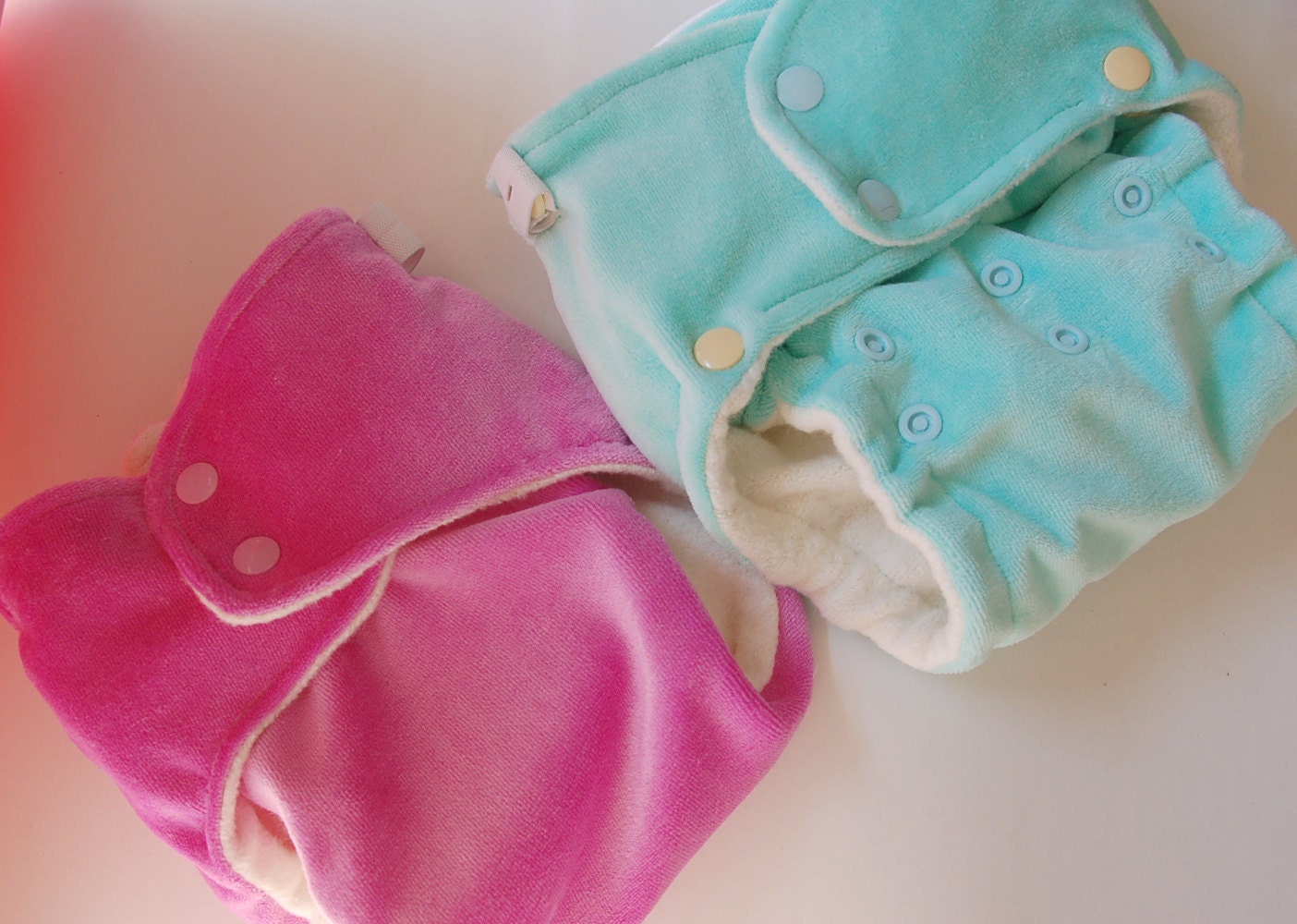
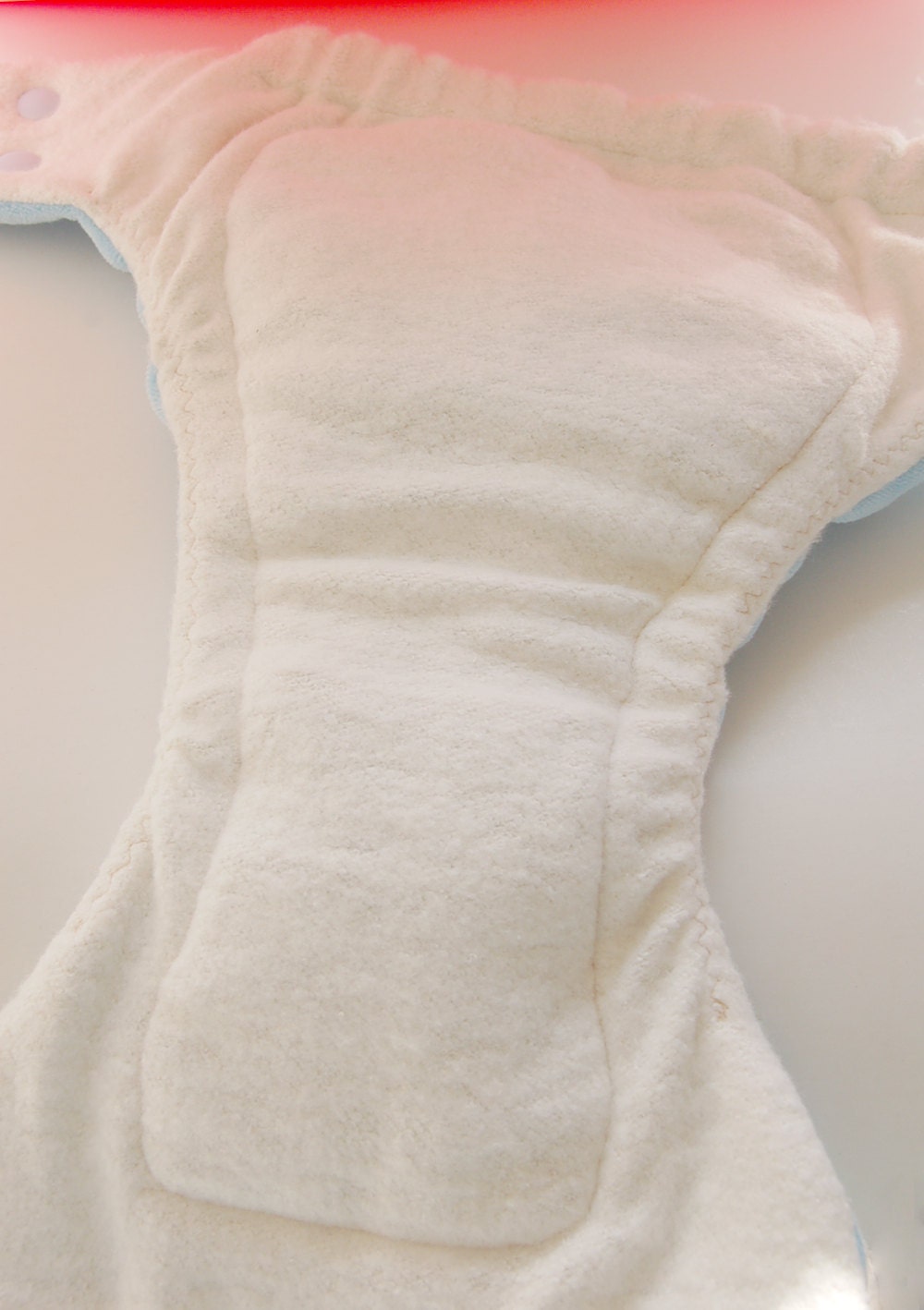
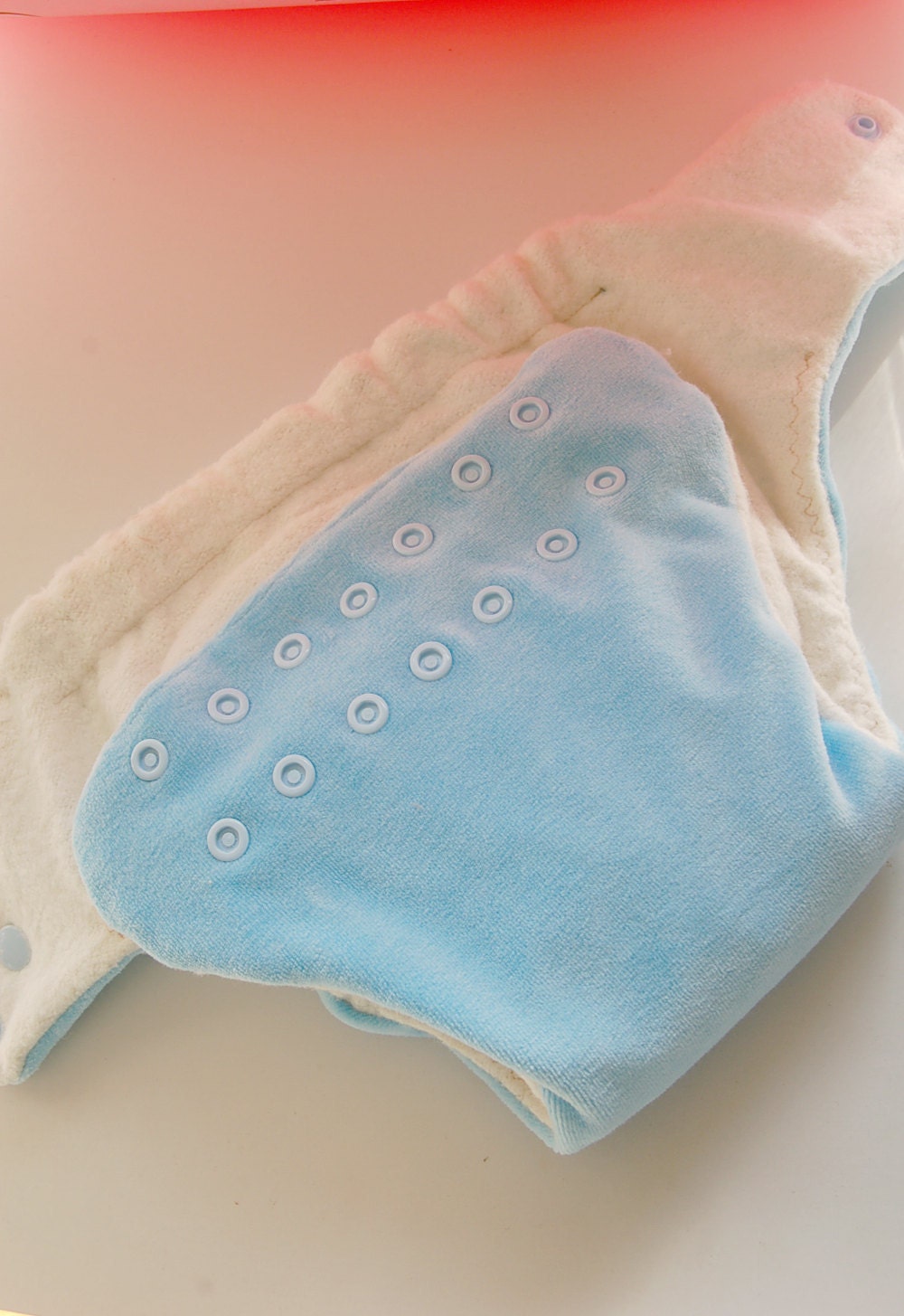
| Some of my dyed diapers. |
Recently, in the course of homeschooling, we came across an
occasion to experiment with natural fabric dyeing. For thousands of years
people have been dyeing their yarns, decorations, and garments using natural
items from the world around them. So while I usually do my fabric dyeing with
powdered Dharma dyes, I was fascinated to learn more about the process of using
natural items to dye fabric.
While the exact method of ingredient preparation might
change, the process is really very simple and easy to adapt. It can also be
done using readily available tools and resources.
Basic Tools:
- Fabric or articles to dye – The fabric should be made from a natural fiber such as cotton, bamboo, hemp, or even wool.
- Salt – used to increase absorbency and intensity of the dye
- Fruits, vegetables, leaves, roots, spices, tea, or other natural dye source (You never know what might make a good dye, which is why it's fun to experiment. However, I am also including a list at the end of the article with basic ingredients and colors as well as simple preparation tips.)
- White vinegar (acidifying the dye bath can improve color retention)
- Borax or baking soda (neutralizing the dye bath prior to rinsing can set the color and prevent or reduce fading)
- Water
- Large pot or basin
- Sieve
Basic Instructions:
1) Prepare dye ingredients and dye bath. Many ingredients
will work best when chopped very finely, ground, or even boiled and mashed. The
idea is to suspend as much of the color as possible so that you can create your
dye bath. Often times what works best is boiling your dye substance in a fairly
small amount of water. Then when you are ready to dye, mix this into a larger
amount of HOT water in your large pot or basin to create your dye bath.
 |
| From: www,momentumfashion.com |
2) As you wait for your dye substance to steep, soak all
fabrics to be dyed in HOT WATER. This helps to reduce sizing in new fabrics,
and also ensures the dye will enter the fabric evenly, not being soaked up
gradually, wicking into areas, causing lighter and darker spots.
3) Mix salt into HOT dye bath. I use between 1/2 and 1 cup
for each batch I do in a large bowl or pot.
4) (optional) Add 1/2 to 1 cup of white vinegar to the dye
bath.
5) Place pre-wet fabric to be dyed in the bath. Press down,
stir, or leave hanging over the edge of the bowl for ombre effect. Leave to
soak at least 1 hour and up to 24 hours (for greater intensity).
5) Stir 1/2 cup of borax or baking soda into the dye bath to
neutralize (only necessary if you used vinegar to acidify the bath). Let sit
for a minimum of 20 minutes.
6) Remove fabric, place in sieve and rinse. Ring lightly and
let dry.
NOTE: you may want to run your newly dyed fabric through a
wash and dry cycle right away as the heat helps set the dye and also your item
may be prone to bleeding for the first wash or two.
 |
| From: Natural Dyeing at www.K-State.edu |
Some Natural Dye Color Options:
Substance
|
Color(s)
|
Method
|
Tea
|
Browns, Ivory, Antiqued
|
steep to concentrate
|
Coffee
|
Brown
|
steep to concentrate
|
Red Cabbage
|
Purple
|
shred and boil
|
Blackberries
|
Pink-Purple
|
mash and boil
|
Turmeric
|
Golden yellow
|
steep to concentrate
|
Carrots
|
Orange
|
shred and boil/mash
|
Sassafras Leaves
|
Orange
|
shred, boil, steep
|
Walnuts (husk & shell)
|
Deep brown to black
|
shred/crush, boil
|
Blueberries
|
Blue
|
mash, boil
|
hyacinth flowers
|
Blue
|
boil, blend in blender
|
Beets
|
Red
|
boil, mash
|
rose hips
|
red to pink
|
boil, mash
|
Artichokes
|
green
|
boil leaves and blend
|
Grass
|
Green
|
chop, boil, and blend
|
Dandelion
|
yellow
|
flower heads only, boil, blend
|
Bay leaves
|
yellow
|
chop and boil
|